
tl;dr
Every pet app on the App Store is a health tracker — vaccines, weight, vet records. None solve the moment you actually hand your pet to someone else. FurPass does: the owner builds a care guide in the app (six care pads), taps Share, and the sitter opens a secure, expiring link in a browser — no app, no account. Born from ten years of pet sitting; rebuilt from scratch after an App Store rejection forced a sharper position.
61%
worry more about their pet than their vacation
6
care pads
Native iOS
shipped
The why — I was on both sides of this
I spent a decade taking care of other people's pets — the person you trusted with your keys, your alarm code, and a long list of midnight instructions. Then I adopted my own dog, and the first time I traveled without her I couldn't enjoy a single moment. Not because my sitter was unreliable, but because I realized how much critical information lived only in my head.
“I spent ten years as the person who took care of other people's pets. The moment I had my own, I understood what they were all afraid of.”
The research — this isn't a niche feeling
A 2025 survey of 5,000 U.S. pet owners (TrustedHousesitters) found 61% worry more about their pet's well-being than their own enjoyment while traveling. Nearly half experience real separation anxiety when away. A third spend a meaningful part of their trip checking in. 95% of Americans consider their pets family.
The highlight — FurPass vs. every other pet app
I researched 15+ pet apps — PetDocs, PetVax, Pet Health+, DogCare, VitusVet. Every one is a health tracker. None answer the question the sitter is actually asking: what does this dog need right now?
“Every pet app tracks health records. None of them answer the question your sitter is actually asking: what does this dog need right now?”
| Every other pet app | FurPass | |
|---|---|---|
| The job | Track health records | Hand off care |
| Built around | Vaccines, weight, vet logs | The moment you leave your pet |
| The sitter | Not considered | Opens a link — no app, no account |
| Lives | On the owner's phone | In a secure link that expires |
The build — one app for the owner, one link for the sitter
The six care pads cover everything a sitter needs: House Rules (entry, codes, yes/no rules), Food, Medication (including the trick to get them to take it), Treats (allowed vs. never), Daily Routine (a visual timeline), and Behavior & Personality (severity-flagged notes). Plus an emergency section — tap-to-call the 24-hour hospital, the vet, and the owner, with a step-by-step protocol.
“Your door code doesn't live in someone's text history forever.”
The care handoff, end to end
One simple path. The owner builds the care guide once and shares a secure link. The sitter opens it in any browser — no app, no account — follows the right pet's care, and the link expires when the trip ends.
The design system — three directions to final
The identity went through three complete directions before locking:
Coral Candy
coral + purple, playful fonts. Too playful; didn't feel trustworthy for a care-and-safety product.
Cloud Blue
muted blue-gray, system fonts. Clean but generic; looked like every other utility app.
Teal Bold (final)
teal, dark navy, hot-pink accents, Playpen Sans as the single typeface. Warm and distinctive without being childish.
The bugs and the pivot
The rename
PawPass, PetFolio, and PawVault were all taken. Landed on FurPass — confirmed available, no competing listing.
The App Store rejection
The original PetCard was a generic health tracker in a saturated category. Fix: don't resubmit the same idea — reposition to the unowned handoff moment and rebuild from scratch in native SwiftUI. No old code carried over.
AI-assisted build pipeline
Loose Swift files break the agent workflow, so I wrote a Python script that generates valid .xcodeproj bundles (correct UUIDs, build phases) that open directly in Xcode. AI-assisted development is a workflow, not a shortcut — the skill is orchestrating the tool, not just using it.
Next.js fonts failing silently
via CSS @import. Fix: preconnect link tags in layout.tsx.
Key Takeaways
- 1The best products come from lived experience — ten years of pet sitting was a model no research could replicate.
- 2Emergency design is trust design — optimize for clarity and speed, not aesthetics.
- 3The handoff is the product — if a feature doesn't serve the moment you walk away, it doesn't belong.
- 4Freeze the design system before building screens — iteration is how you learn what to freeze.
- 5A rejection can be a gift — it forced the sharper, unowned position.
Tools I like
Supabase backend — real accounts, photo storage, and live shareable-link generation with email gating and expiration enforcement.
Sitter photo updates — the caretaker checks off tasks and sends photos; the owner watches remotely.
A B2B dashboard for boarding facilities, groomers, and dog walkers — the care handoff gap isn't only the individual owner's.
Supabase backend — real accounts, photo storage, and live shareable-link generation with email gating and expiration enforcement. Sitter photo updates — the caretaker checks off tasks and sends photos; the owner watches remotely. A B2B dashboard for boarding facilities, groomers, and dog walkers — the care handoff gap isn't only the individual owner's.
Explore other case studies
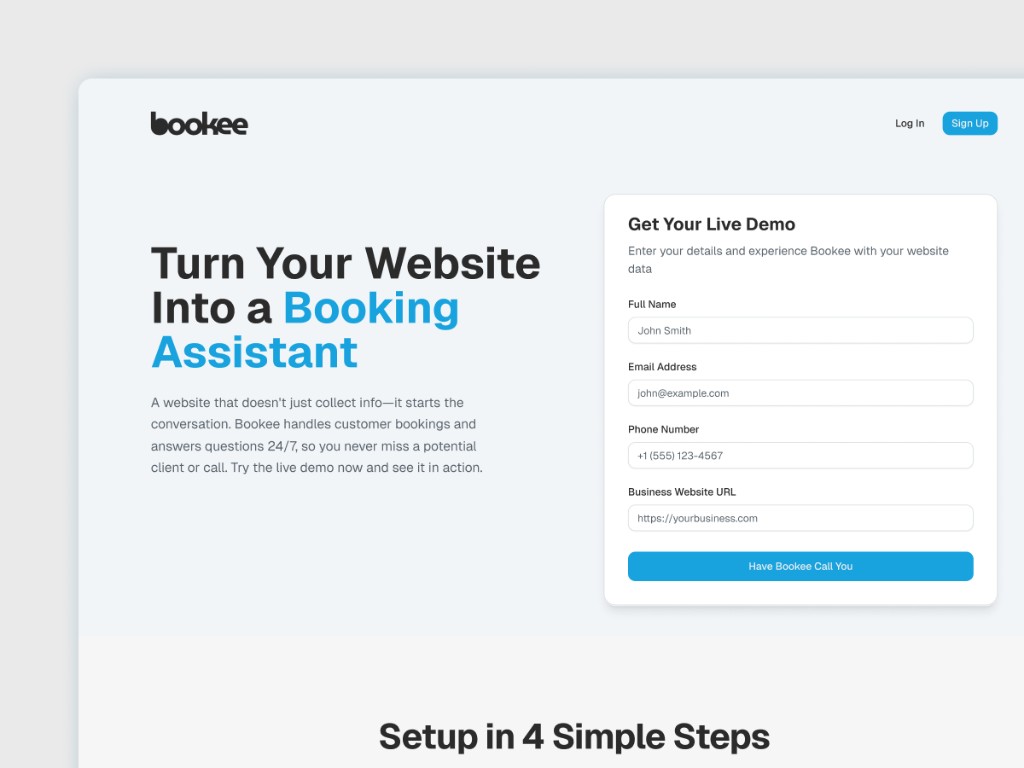
Bookee
Researches each lead and calls back in under 60 seconds to book qualified meetings.
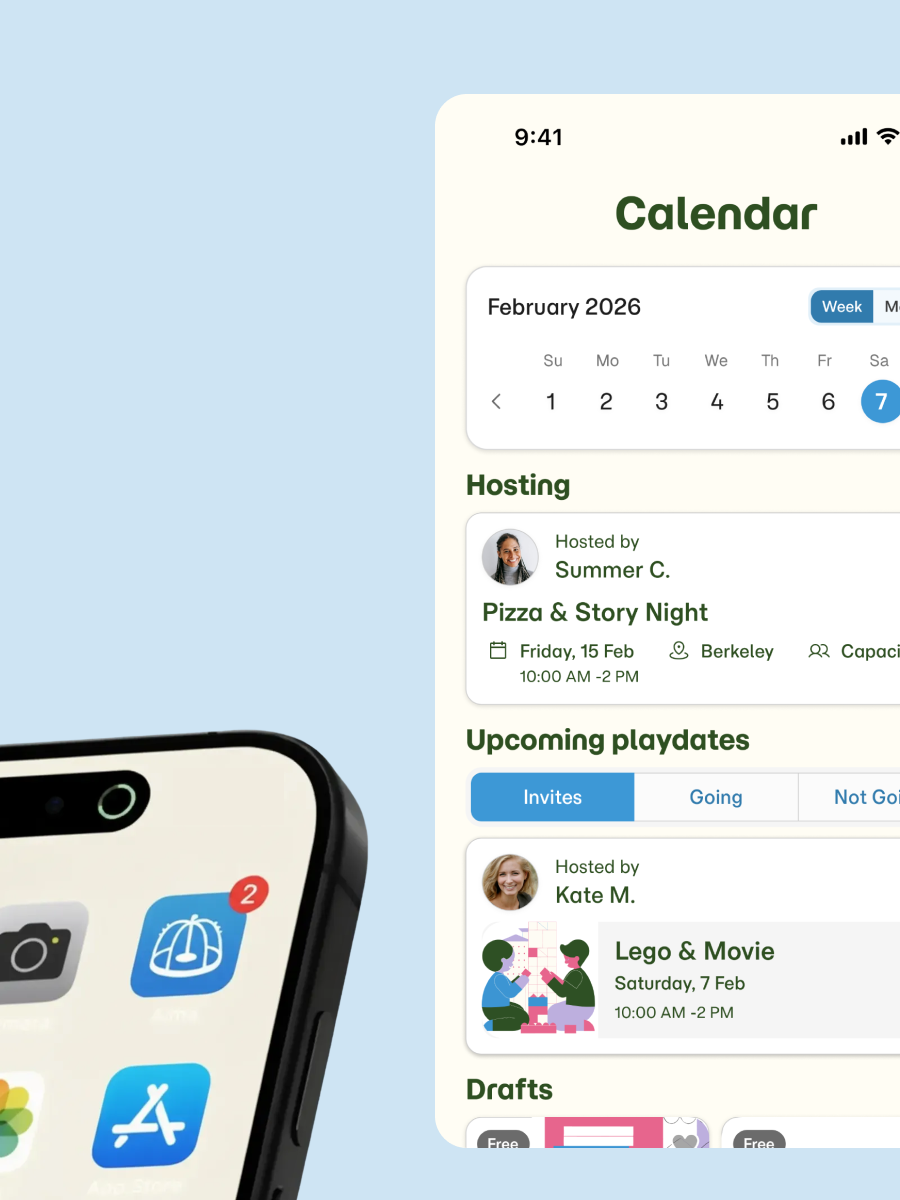
Oakling
Family-friendly Bay Area activities to do with your trusted circle, and memories that stick.
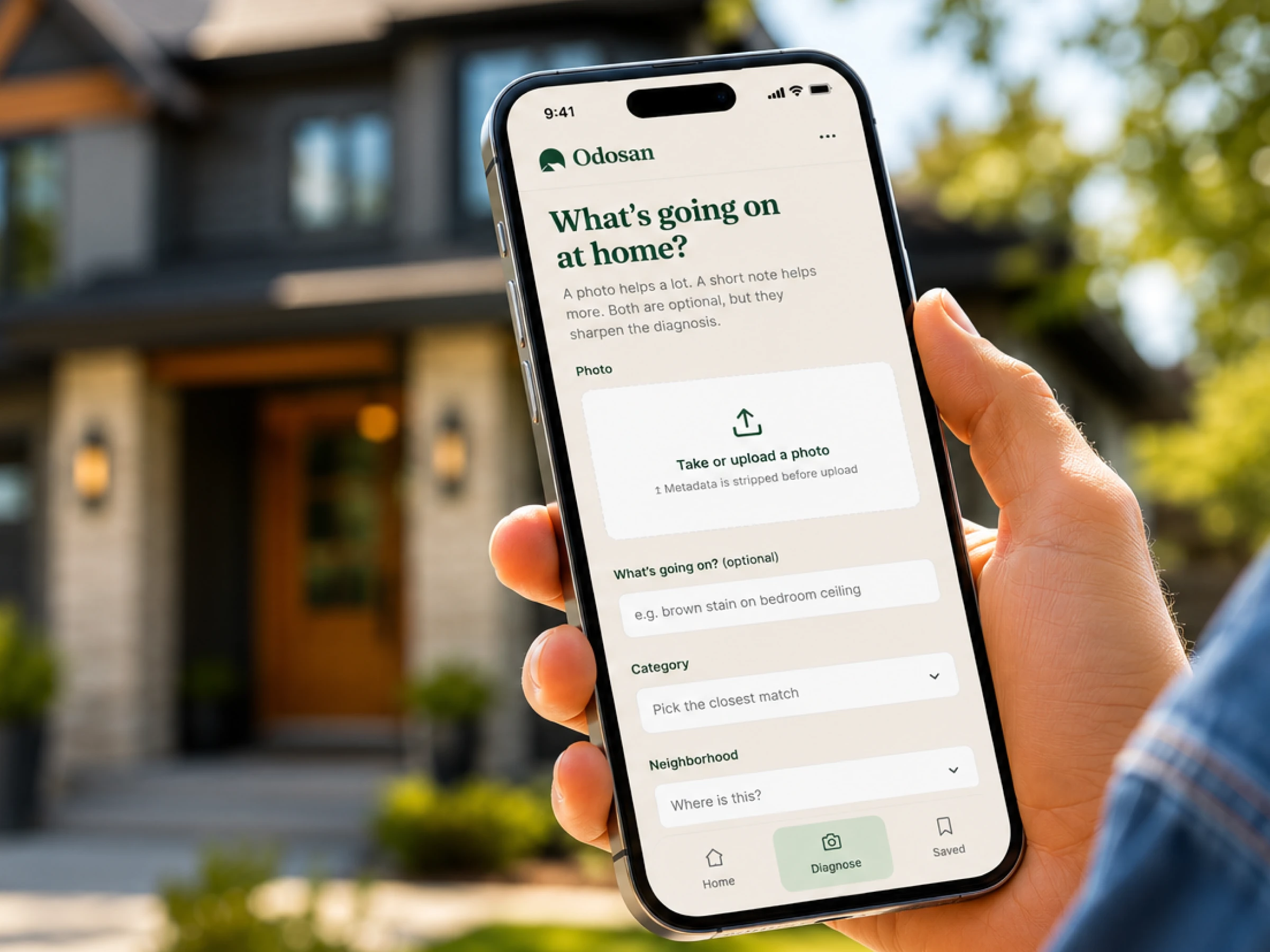
Odosan
Diagnose home problems from a photo with fair pricing and matched local pros.
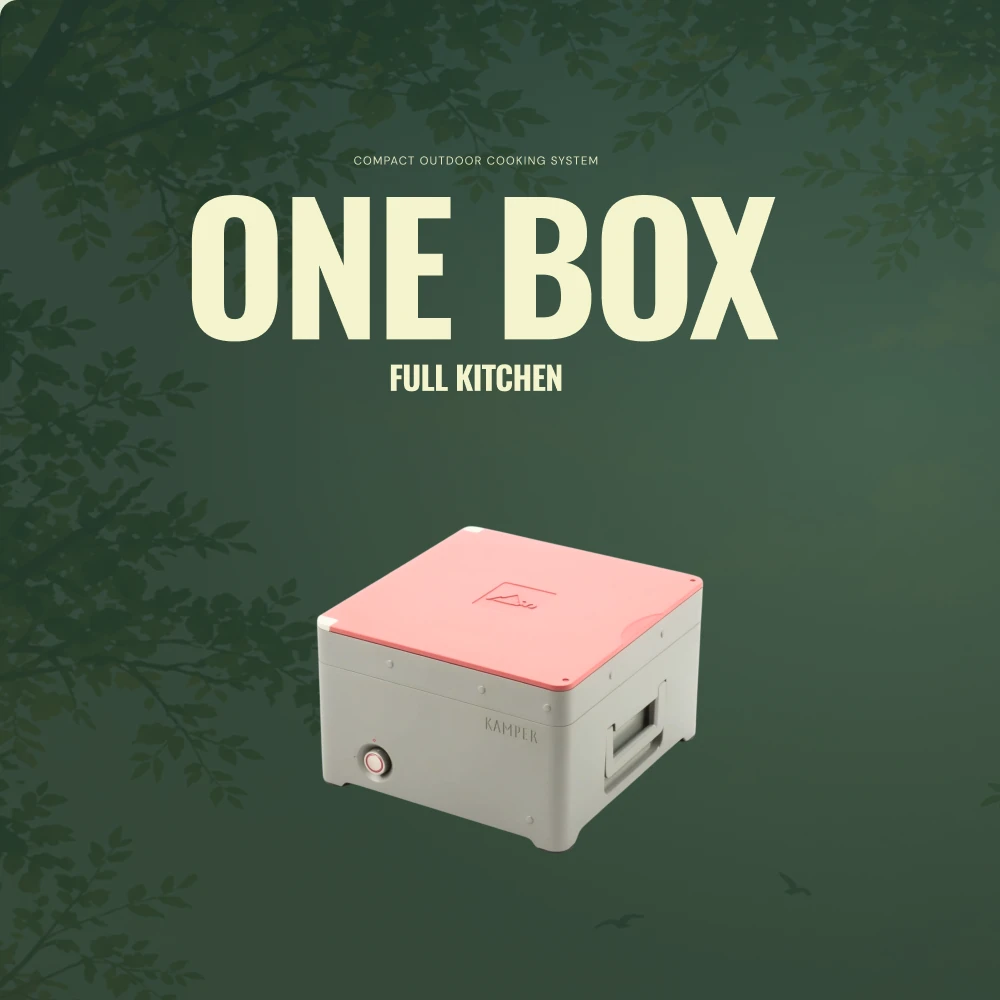
Kamper
Modular outdoor kitchen launching with AI-generated campaign visuals and a waitlist.
NFCtree
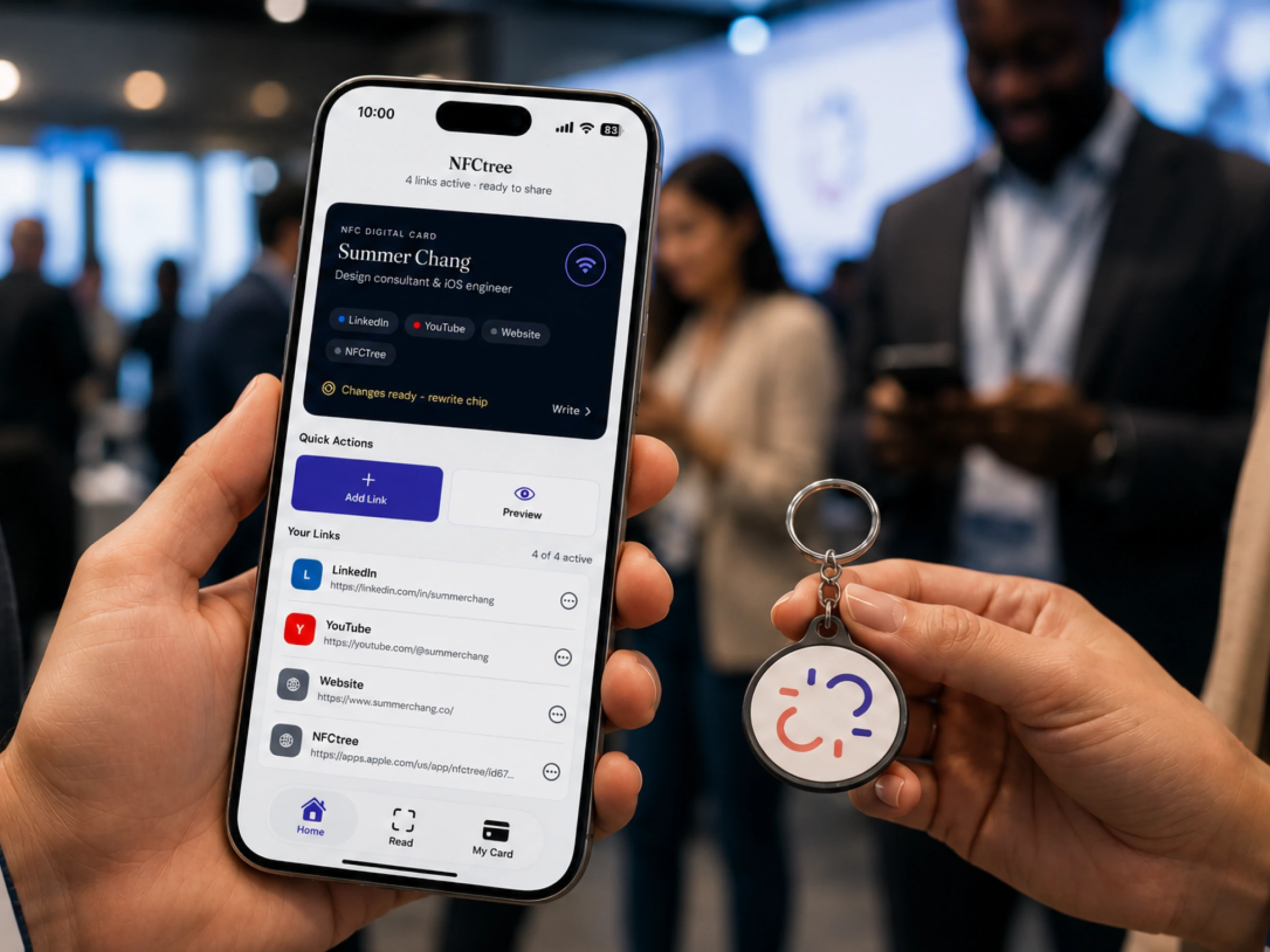
Your digital business card on a chip. Tap to share your socials in any browser.
Bookee
Researches each lead and calls back in under 60 seconds to book qualified meetings.
Oakling
Family-friendly Bay Area activities to do with your trusted circle, and memories that stick.
Odosan
Diagnose home problems from a photo with fair pricing and matched local pros.
Kamper
Modular outdoor kitchen launching with AI-generated campaign visuals and a waitlist.
NFCtree
Your digital business card on a chip. Tap to share your socials in any browser.