
tl;dr
Kamper is a modular outdoor kitchen I designed years ago, built for a brief that didn't exist yet. The overlanding boom made it relevant, so I'm taking it to market in 2026 as a brand with a Kickstarter. The hard part wasn't the product — it was producing a campaign's worth of imagery without a campaign's budget. So I built an AI production pipeline: my existing 3D renders feed the Luma Uni-1 API, n8n orchestrates it, and a Google Sheet is the creative brief.
Luma Uni-1
campaign imagery from 3D renders
n8n
end-to-end automation
Fraction
of a traditional shoot's cost
The real problem isn't the product — it's the campaign
The design was done. It packs down for vehicle travel and deploys into a real cooking setup in under a minute — it sits between camp kitchens that are too bulky to travel with and too minimal to actually cook on. Reviving it had to do two jobs at once: bring an existing industrial design to market, and build a campaign without the budget of an established brand.
A Kickstarter needs dozens of images — hero shots, lifestyle scenes, in-use moments, detail crops. Traditional production means a photo shoot: a location, talent, gear, post. For a small brand launch, that's months and tens of thousands of dollars.
“The hard part of relaunching an old industrial design project isn't the product. It's the campaign.”
The pipeline — 3D renders in, campaign imagery out
Instead of a shoot, I built a production pipeline. The existing Kamper 3D renders become reference inputs to the Luma Uni-1 API, so the generated imagery stays true to the actual product. n8n watches a Google Sheet brief, fires the API calls, lands the results in Google Drive, and notifies on completion — status tracked end to end.
The spreadsheet does more than hold prompts — it collapses three tools into one.
“The brief, the queue, and the tracker are the same artifact. I treat the spreadsheet as a creative brief and the pipeline as a junior producer.”
The highlight — AI production vs. a photo shoot
| Traditional shoot | The Luma AI pipeline | |
|---|---|---|
| Cost | Tens of thousands | A fraction |
| Time | Months | Days |
| Inputs | Location, talent, gear, post | 3D renders + prompts |
| The work | Set production | Prompt design + shot-list curation |
| Output | One set of finished shots | A reusable production system |
“The Luma AI pipeline didn't compress a photo shoot into an afternoon. It eliminated the photo shoot. The work moved from set production to prompt design and shot-list curation — a different job, not a faster version of the old one.”
Production problems and fixes
A campaign's worth of imagery, no campaign budget
A Kickstarter needs dozens of distinct shots; a shoot is months and tens of thousands. Fix: build the pipeline on Luma Uni-1, seeded by the existing 3D renders, so I produce campaign imagery at a fraction of the cost — and eliminate the shoot rather than speed it up.
Shot direction, generation queue, and tracking scattered across tools
Fix: make the Google Sheet the single source of truth. The brief, the queue, and the tracker become one artifact.
The product had to survive two environments
Camp gear lives in transit and in use — vehicle abuse, cooking heat, dirt, field cleaning without running water. Every material and finish choice was evaluated against both. And against speed: a camp kitchen that takes 20 minutes to set up doesn't get used, so sub-one-minute deployment was a hard constraint.
Why an old design still holds up
The design held up because it was designed for the use case, not the moment. The overlanding boom and the rise of small-batch outdoor brands finally created the brief it was always built for. What's new in 2026 isn't the product — it's the brand and the production model around it.
“Industrial design projects don't die. They wait.”
Key Takeaways
- 1AI pipelines aren't faster cameras — they're a different production model. The job moves from shooting to prompt design and curation.
- 2Seed generation with real assets — feeding the actual 3D renders to Luma AI keeps the imagery true to the product.
- 3A spreadsheet can be a creative brief — collapsing brief, queue, and tracker into one artifact removes coordination overhead.
- 4Good industrial design waits — a design built for the use case, not the moment, can find its market years later.
- 5Orchestration is the skill — n8n turns a pile of API calls into a producer that runs itself.
Brand is live at thekamper.co. The Kickstarter is in production, launching soon. The Luma AI + n8n pipeline is built and running — and is itself an output: a reusable production system, not a one-off set of shots. Next: launch the campaign, keep generating imagery through the pipeline, and bring the factory-ready design to market as a product.
Brand is live at thekamper.co. The Kickstarter is in production, launching soon. The Luma AI + n8n pipeline is built and running — and is itself an output: a reusable production system, not a one-off set of shots. Next: launch the campaign, keep generating imagery through the pipeline, and bring the factory-ready design to market as a product.
Explore other case studies
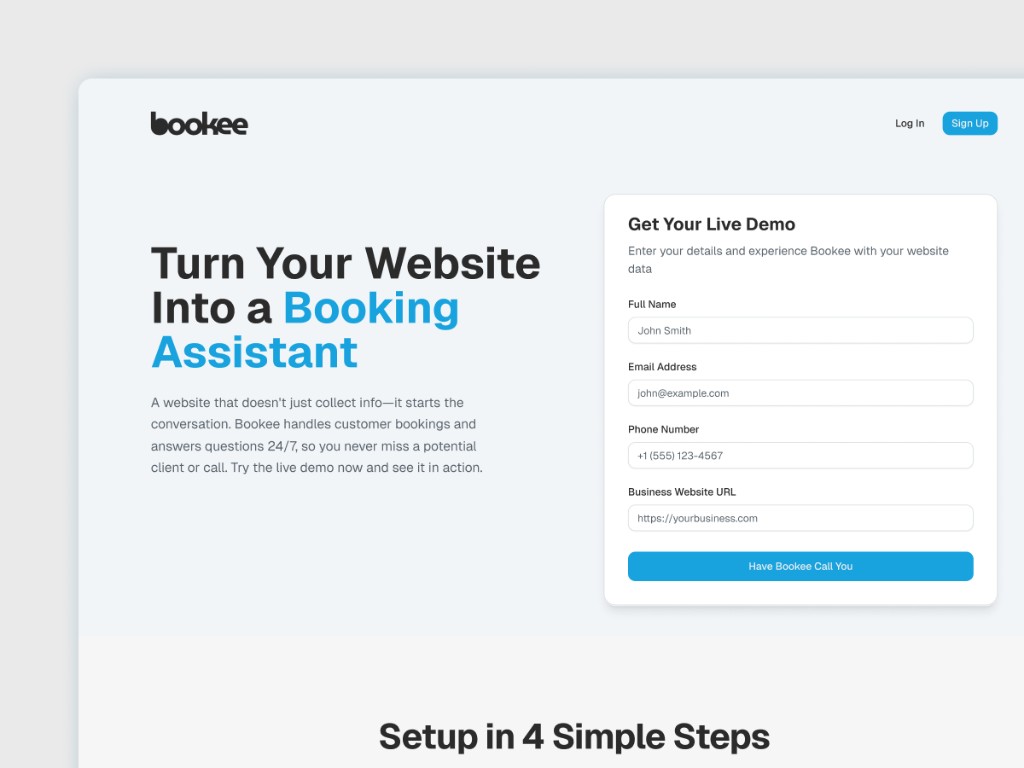
Bookee
Researches each lead and calls back in under 60 seconds to book qualified meetings.
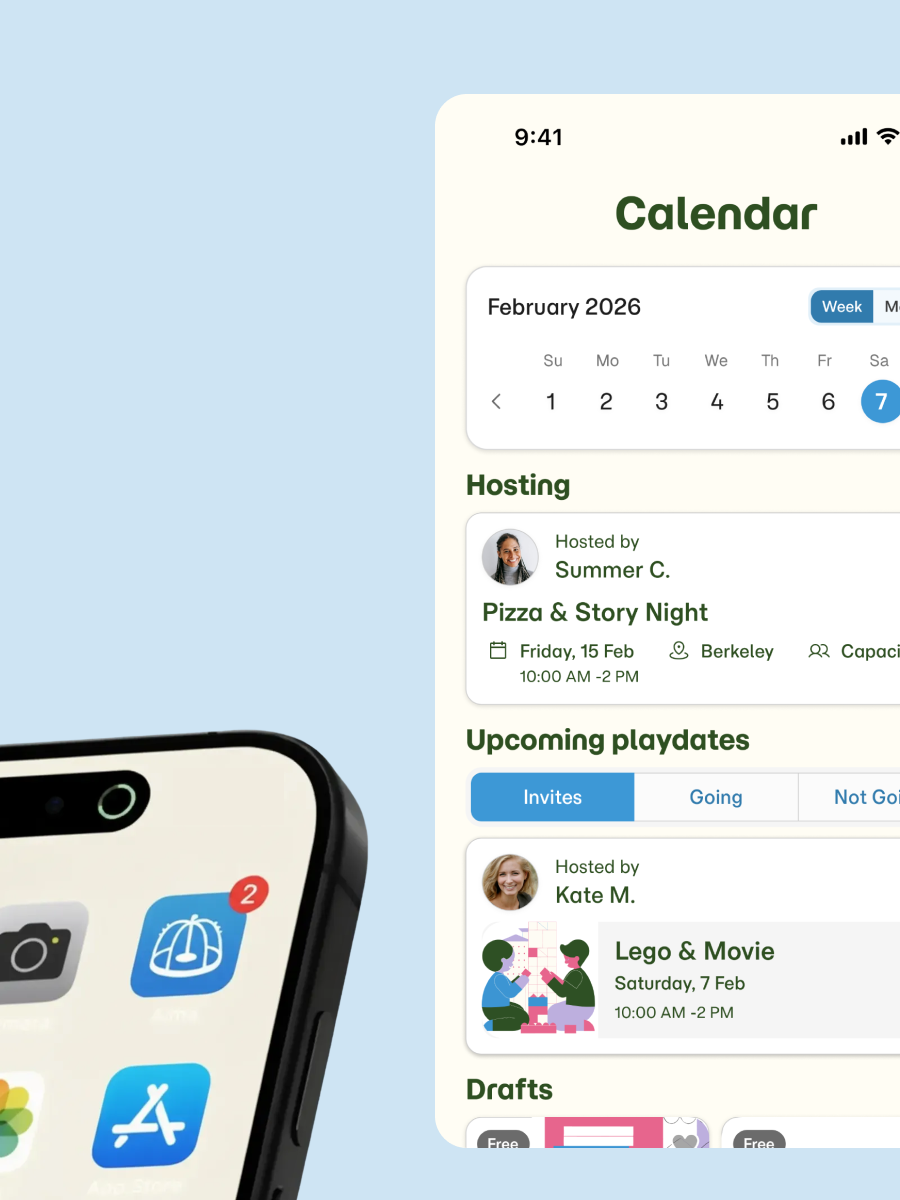
Oakling
Family-friendly Bay Area activities to do with your trusted circle, and memories that stick.
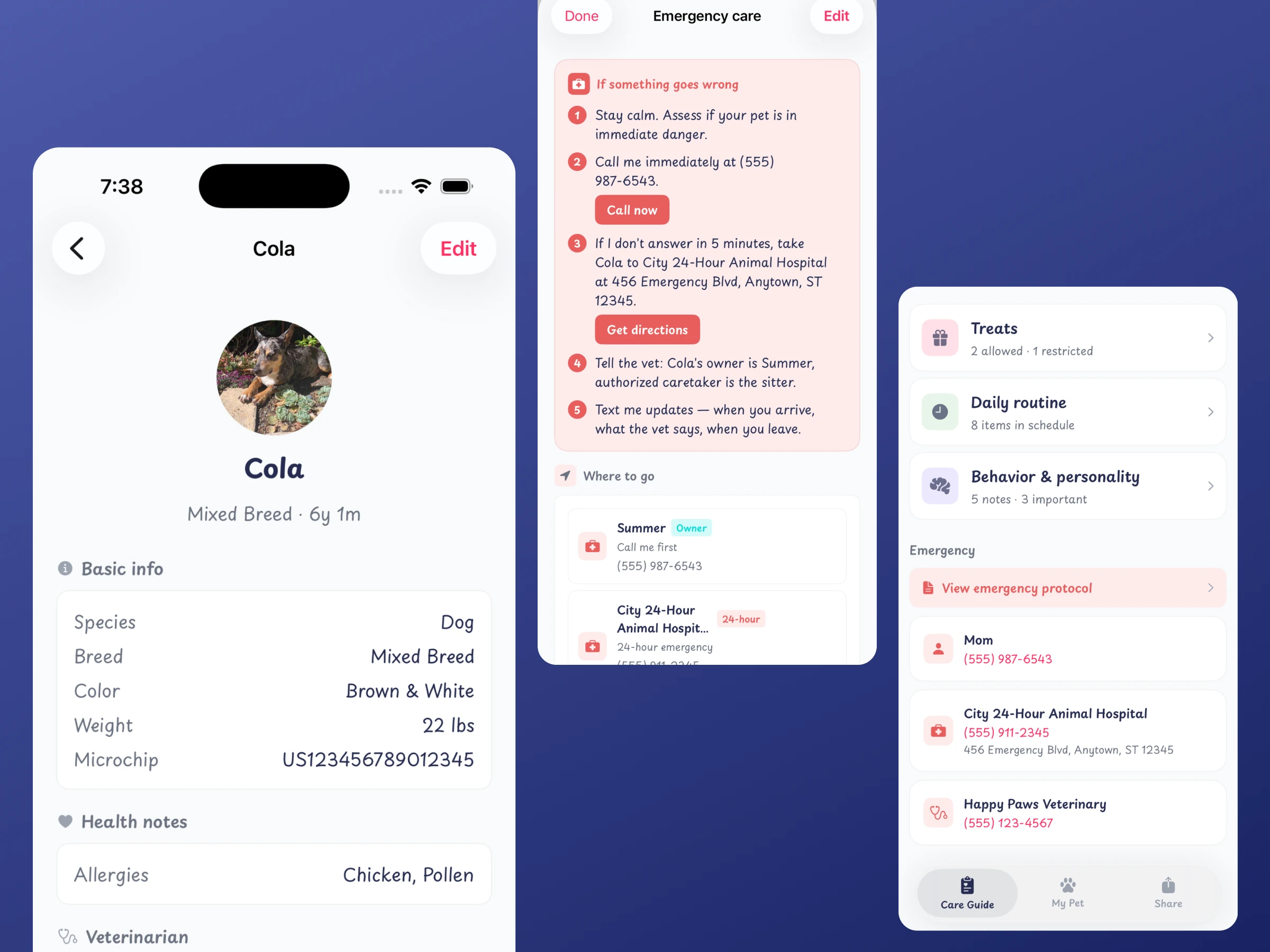
FurPass
Build a pet care guide once and share a secure link any sitter opens in a browser.
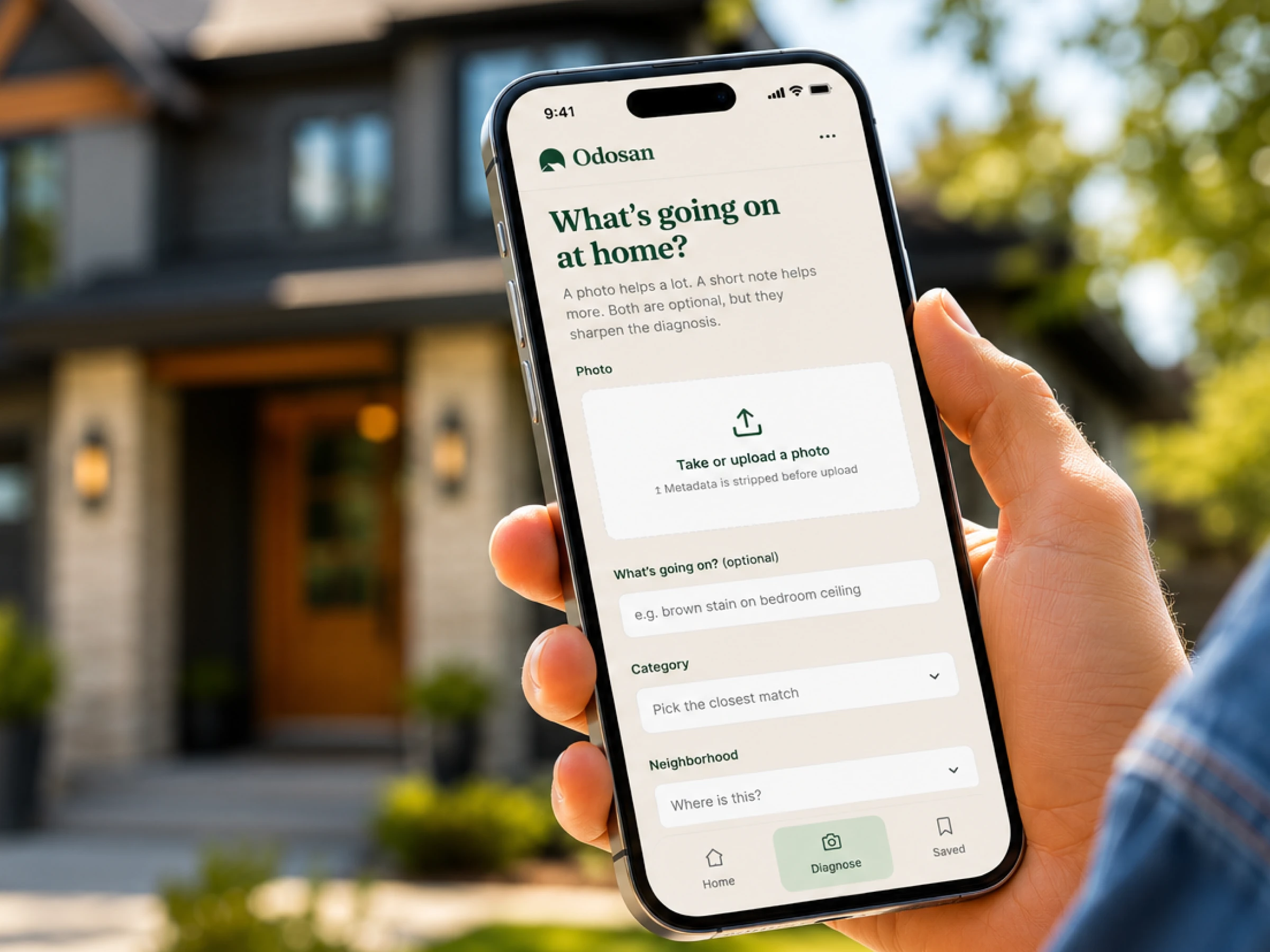
Odosan
Diagnose home problems from a photo with fair pricing and matched local pros.
NFCtree
Your digital business card on a chip. Tap to share your socials in any browser.
Bookee
Researches each lead and calls back in under 60 seconds to book qualified meetings.
Oakling
Family-friendly Bay Area activities to do with your trusted circle, and memories that stick.
FurPass
Build a pet care guide once and share a secure link any sitter opens in a browser.
Odosan
Diagnose home problems from a photo with fair pricing and matched local pros.
NFCtree
Your digital business card on a chip. Tap to share your socials in any browser.