
tl;dr
Every NFC app on the store is a technical utility for reading and writing raw NDEF records, built for people who already know what an NDEF record is. NFCtree is the opposite: a social-sharing product that happens to use NFC. You build a link tree, write it to a chip, and a tap opens it in any browser — no app, no account, no server. It's live on the App Store.
9
social presets + any custom URL
No backend
the chip is the only storage
Live
on the App Store
The positioning insight
NFCtree started from a positioning insight, not a feature idea. Every NFC app on the store — NFC Tools, NFC.cool, Smart NFC — is a technical utility aimed at engineers. None are built for the job most people actually want: share all my socials with one tap.
“Why does every NFC app feel like a tool for engineers, when the thing most people want is just to share who they are?”
How it works — the chip is the only storage
Profile data — name, bio, links — is URL-encoded into a single link. The chip stores that one URL via NDEF. Tapping it opens a complete, self-contained link-tree page in any browser. No app on the other end, no lookup, no server round-trip.
“Privacy isn't a promise in the copy — it's a consequence of having no backend at all. NFCtree doesn't ask anyone to trust a privacy policy. It has no backend to leak.”
The highlight — social product vs. NFC utility
| NFC utilities (NFC Tools, etc.) | NFCtree | |
|---|---|---|
| Built for | Engineers who know NDEF | Anyone sharing their socials |
| The unit | Raw NDEF records | A social link tree |
| The moment | Read or write a tag | Meet someone, share everything with one tap |
| Privacy | Varies | Structural — no backend to leak |
“NFC apps were built around the technology. NFCtree is built around the moment — meeting someone and sharing everything about you with one tap.”
The bugs — and the App Review story
Guideline 2.1, "Information Needed." Apple asked for a demo video of the app and physical NFC hardware interacting — the reviewer tested on an iPad Air with no NFC hardware, so the core feature was physically untestable on their end. Fix: verified write + read on a physical iPhone via TestFlight with a real tag, recorded the full tap-to-write and tap-to-read flow, added the video and reviewer notes, and replied in Resolution Center. Resubmitted the same day — back under review.
NFC silently failing in dev. Core NFC is unavailable on the iOS Simulator by design — reads and writes silently fail. Fix: test only on a physical iPhone.
Unreliable reads on device. startScan() used invalidateAfterFirstRead: true while also implementing didDetect(tags:), which suppresses the NDEF callback. Fix: set it to false.
Silent write failures. NTAG215 chips hold only ~504 bytes; exceeding it fails silently. Fix: a real-time byte tracker surfaced live in the builder so you always know how many links fit. A constraint, surfaced well, becomes a feature.
Naming and the copycat guideline (4.1). The crowded NFC category risks Apple's copycat rule. Fix: NFCtree — lowercase t separates NFC (the tech) from tree (the feature); social-product positioning keeps it clear of any existing utility's name, icon, or function.
Status — shipped
NFCtree is live on the App Store. Getting there took a Guideline 2.1 information request on June 3 — Apple's reviewer tested on an iPad Air with no NFC hardware, so the core feature was untestable on their end. I troubleshot it, resubmitted the same day with a demo video shot on a real iPhone, and it cleared review.
“First rejection happens to almost everyone. Fix what they flag, resubmit. Build-log style — process, not perfection.”
Key Takeaways
- 1Position before you build — NFCtree is a social product that happens to use NFC, and that framing drove every decision.
- 2The most private architecture was also the simplest — no backend means nothing to leak.
- 3A constraint, surfaced well, becomes a feature — the byte tracker turned a chip limit into reassurance.
- 4Some features are physically untestable in review — a demo video on real hardware is the answer.
- 5First rejection is normal — fix what they flag and resubmit; the process is part of the story.
Tools I like
Custom domain — moving the companion site to nfctree.app. More platform presets beyond the initial nine, and card theming for the link-tree page.
Custom domain — moving the companion site to nfctree.app. More platform presets beyond the initial nine, and card theming for the link-tree page.
Explore other case studies
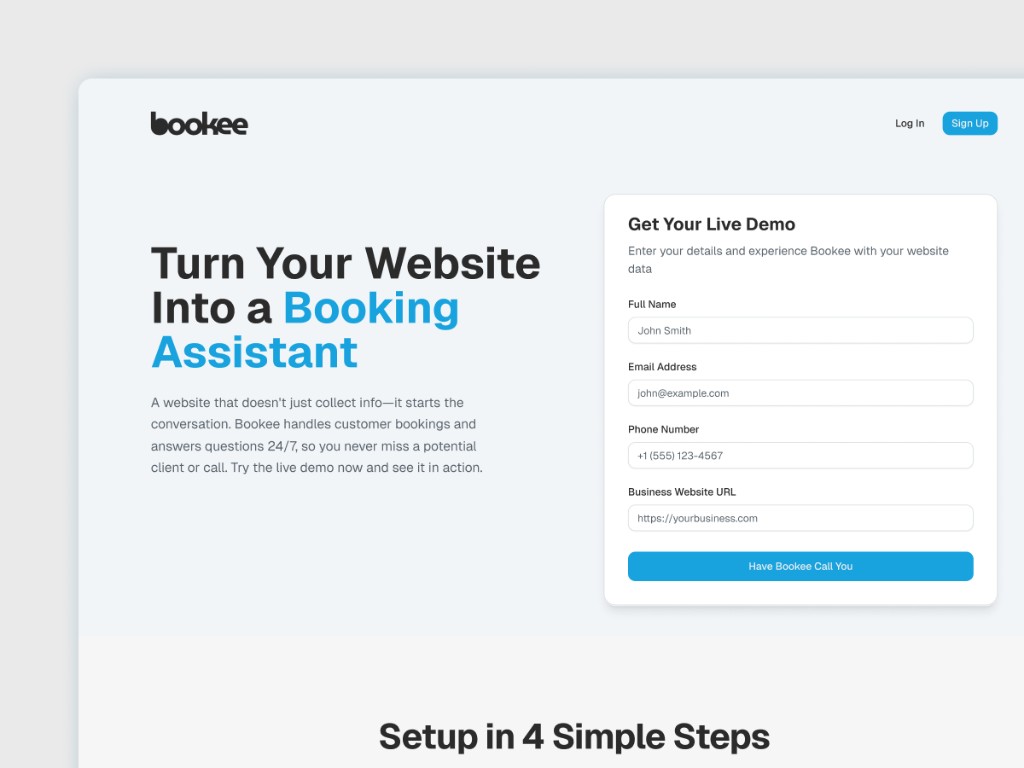
Bookee
Researches each lead and calls back in under 60 seconds to book qualified meetings.
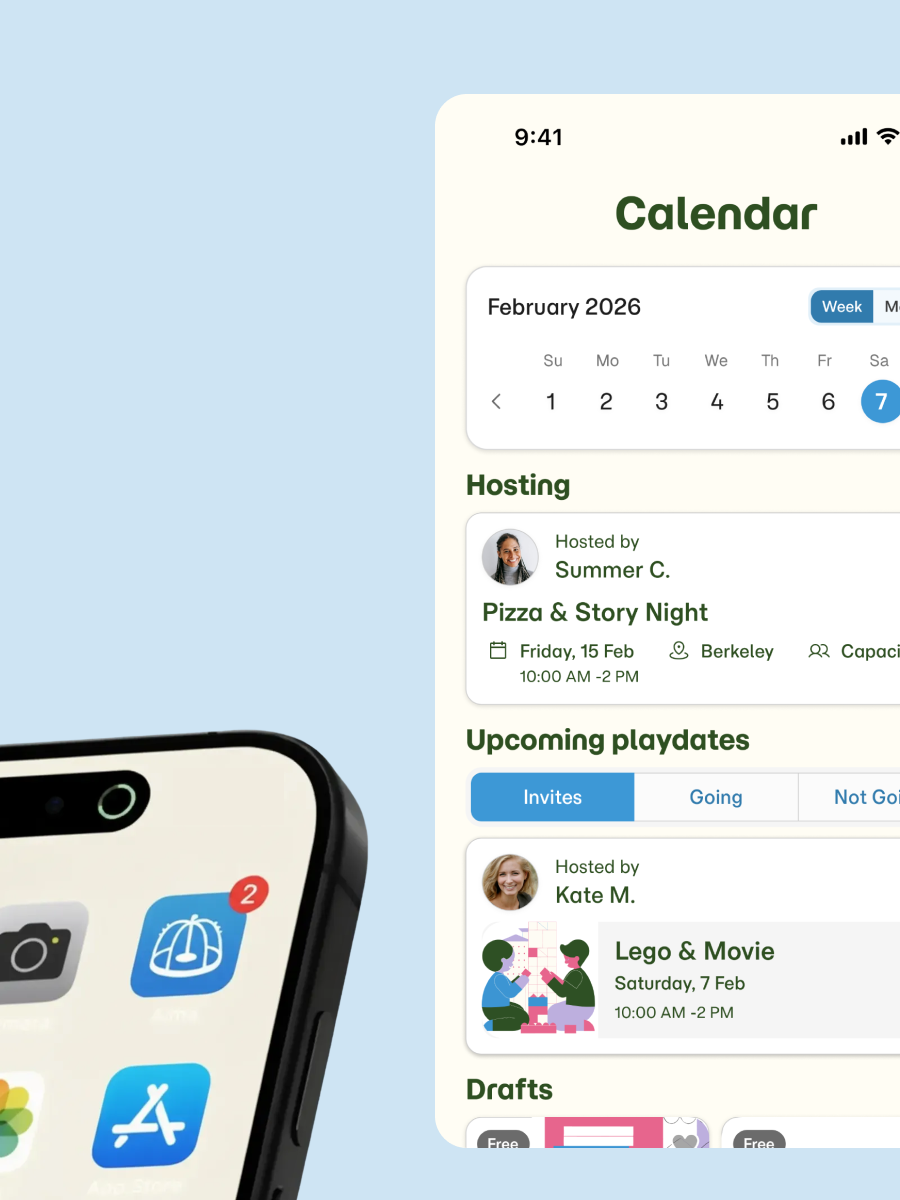
Oakling
Family-friendly Bay Area activities to do with your trusted circle, and memories that stick.
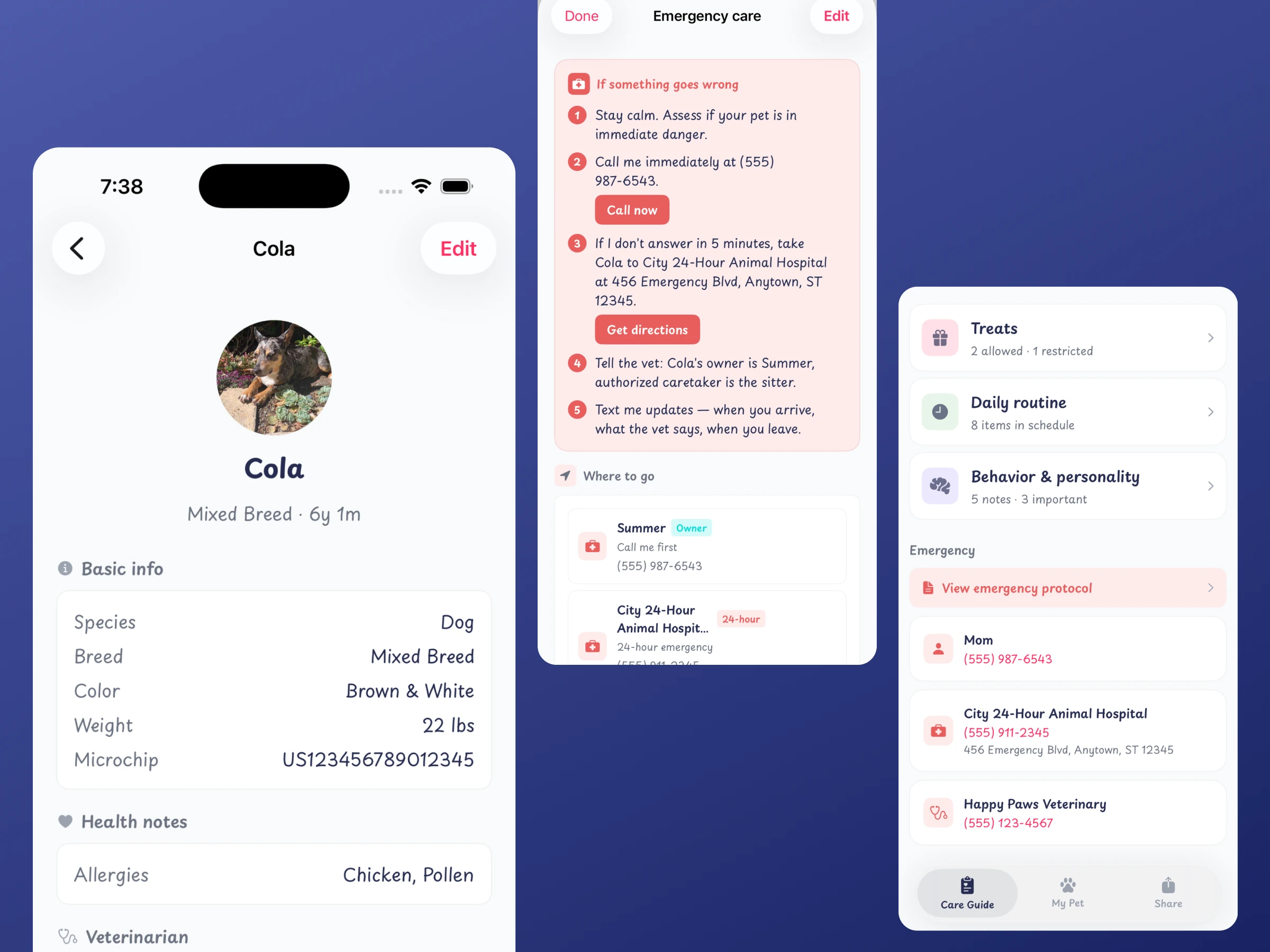
FurPass
Build a pet care guide once and share a secure link any sitter opens in a browser.
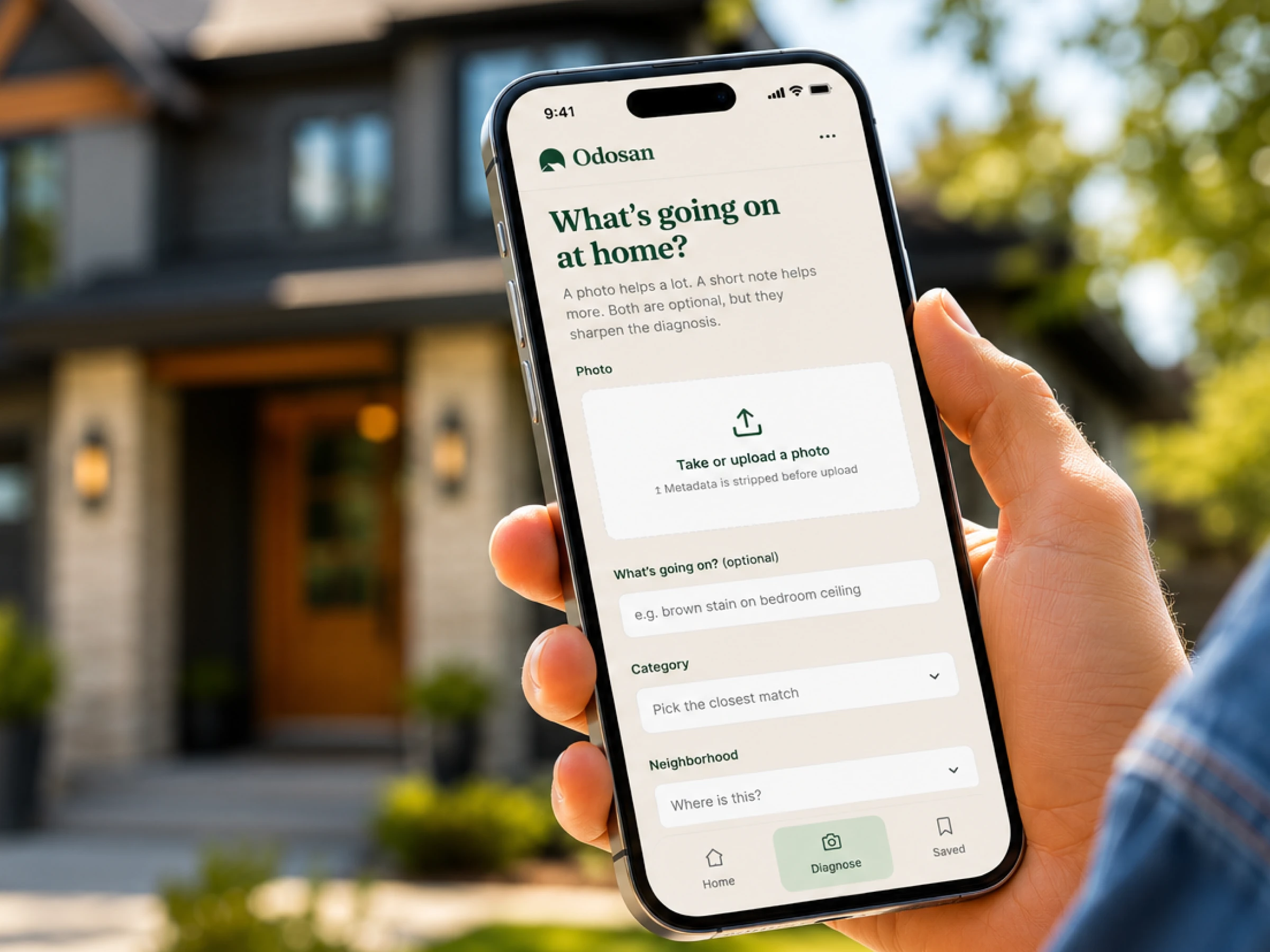
Odosan
Diagnose home problems from a photo with fair pricing and matched local pros.

Kamper
Modular outdoor kitchen launching with AI-generated campaign visuals and a waitlist.
Bookee
Researches each lead and calls back in under 60 seconds to book qualified meetings.
Oakling
Family-friendly Bay Area activities to do with your trusted circle, and memories that stick.
FurPass
Build a pet care guide once and share a secure link any sitter opens in a browser.
Odosan
Diagnose home problems from a photo with fair pricing and matched local pros.
Kamper
Modular outdoor kitchen launching with AI-generated campaign visuals and a waitlist.