Scroll inside the preview to browse the site. Open thekamper.co
Outdoor kitchen, reintroduced with Luma AI
Kamper is a modular outdoor kitchen I designed in 2015. It packs into a trunk and deploys in under a minute. Sketches, material testing, factory-ready CAD. Then it waited.
In 2026, Luma AI reached out to demonstrate the Uni-1 API, and that pulled the design back out. Instead of a photo shoot, I'm rebuilding the whole campaign, photo and video, with AI, while moving the product toward production. Phase 1 isn't Kickstarter yet. It's a waitlist, to see if the idea still holds.
- Client
- Luma AI
- Date
- May 2026
- Tools
- Luma Uni-1 · n8n · Google Sheets · Next.js
The physical product, my MFA project from ten years ago
Kamper is a modular outdoor kitchen built for the middle ground between camp setups that are too bulky to travel with and too flimsy to actually cook on. It packs into a trunk and is ready to cook in under a minute. I took it from research all the way to factory-ready CAD, and then it sat. The design held. The market just caught up later.
Luma AI reached out. It pulled me back.
Luma AI reached out through their Creative Partner Program, looking for someone to demonstrate the Uni-1 API. That was all it took to remind me of Kamper, sitting in a folder for a decade.
I had just gotten home from a camping trip. Setup took forever, and there I was cooking on a one-burner stove with no prep surface, thinking I wish I had built this ten years ago. The timing lined up. A partnership to test it, a product I had already designed, and the feeling that the idea was still worth pursuing.
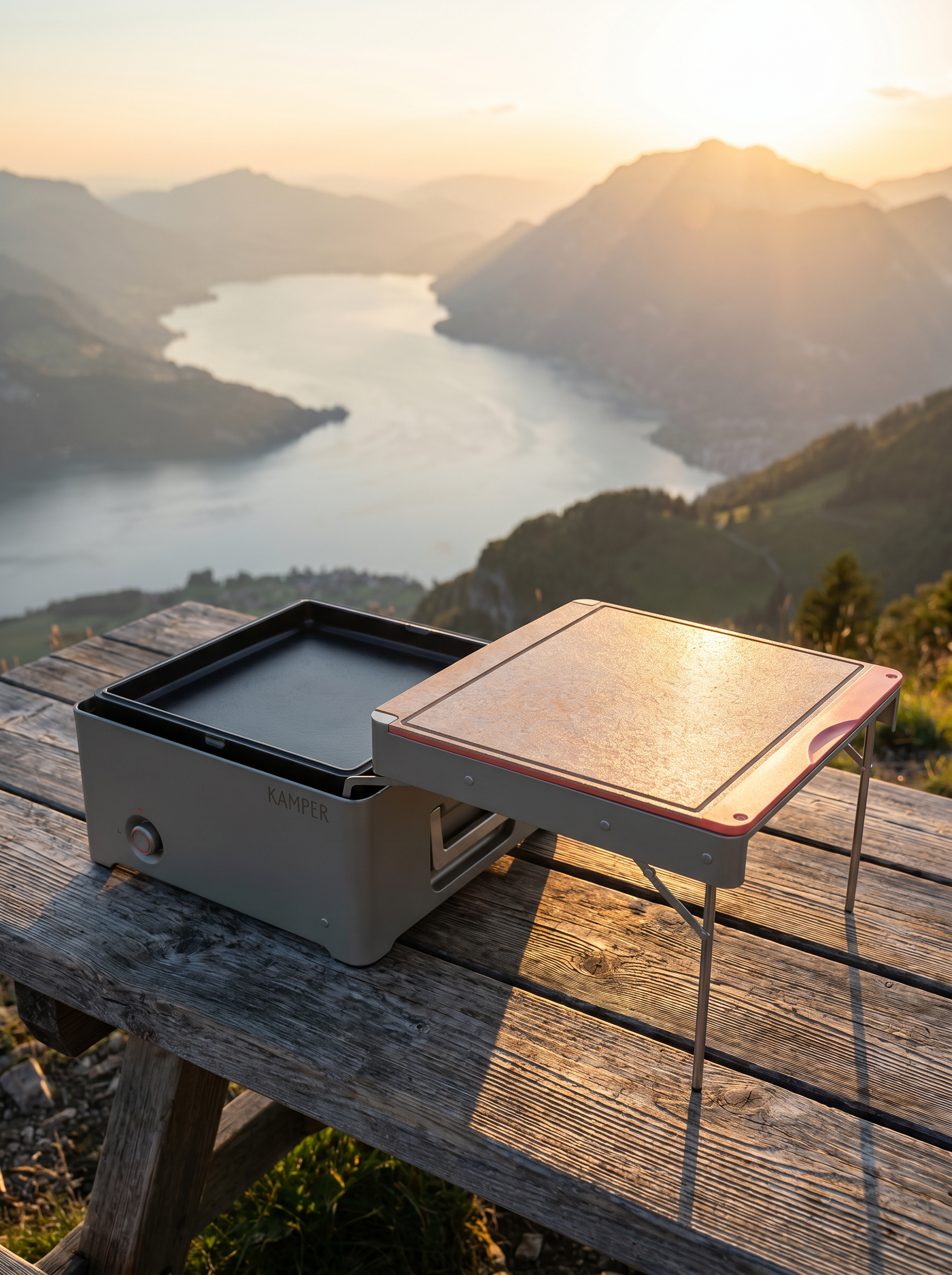
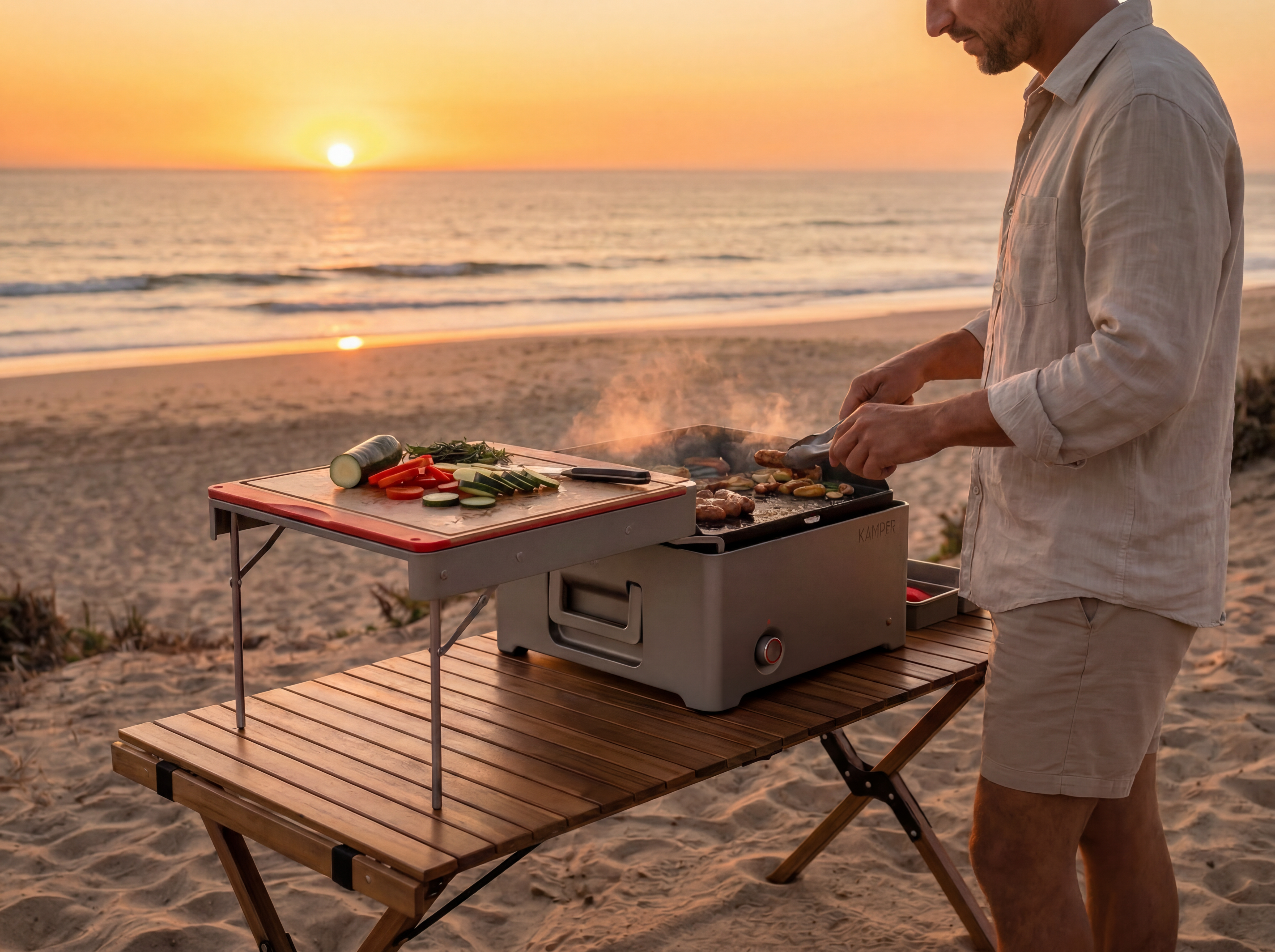
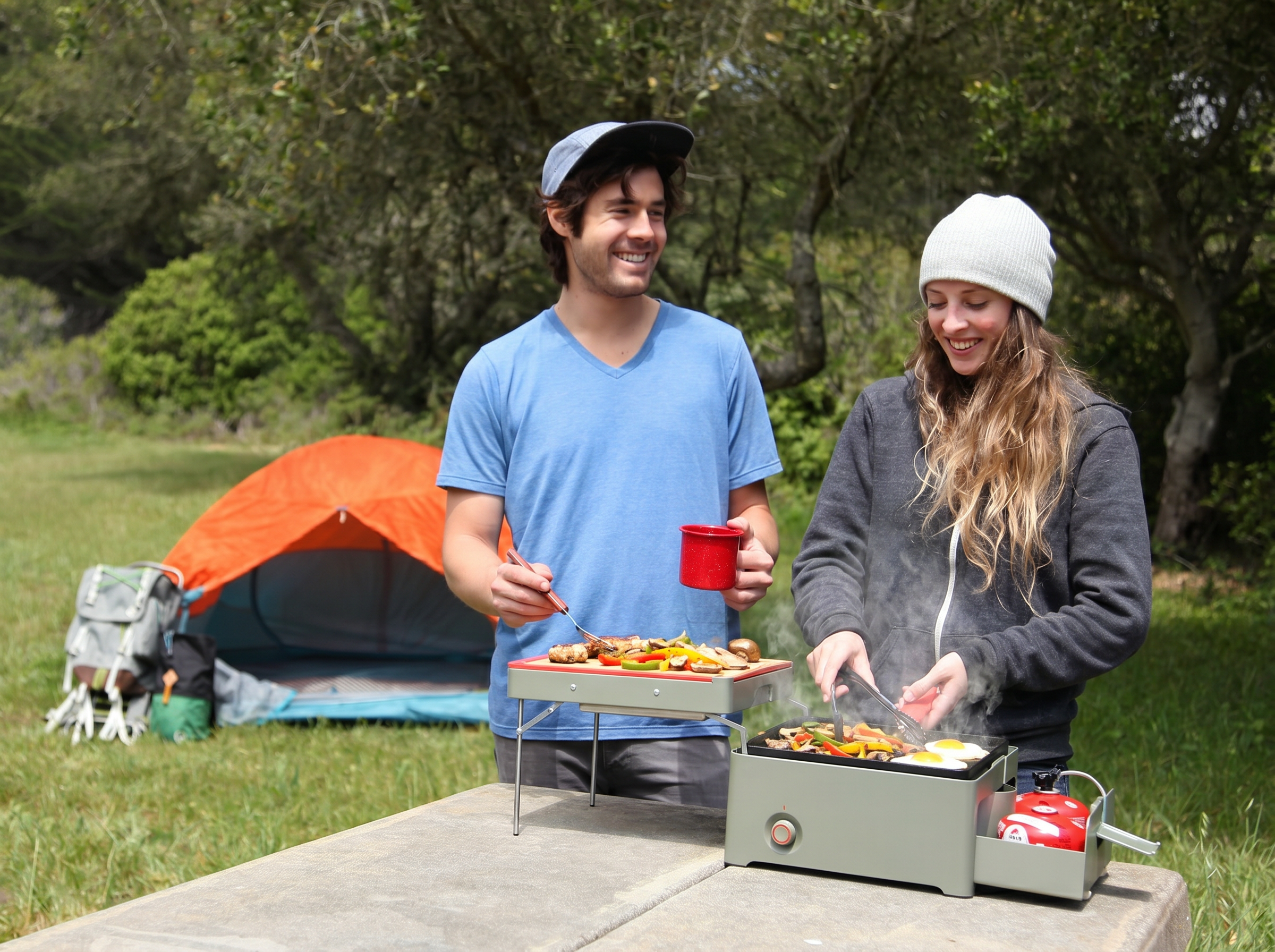
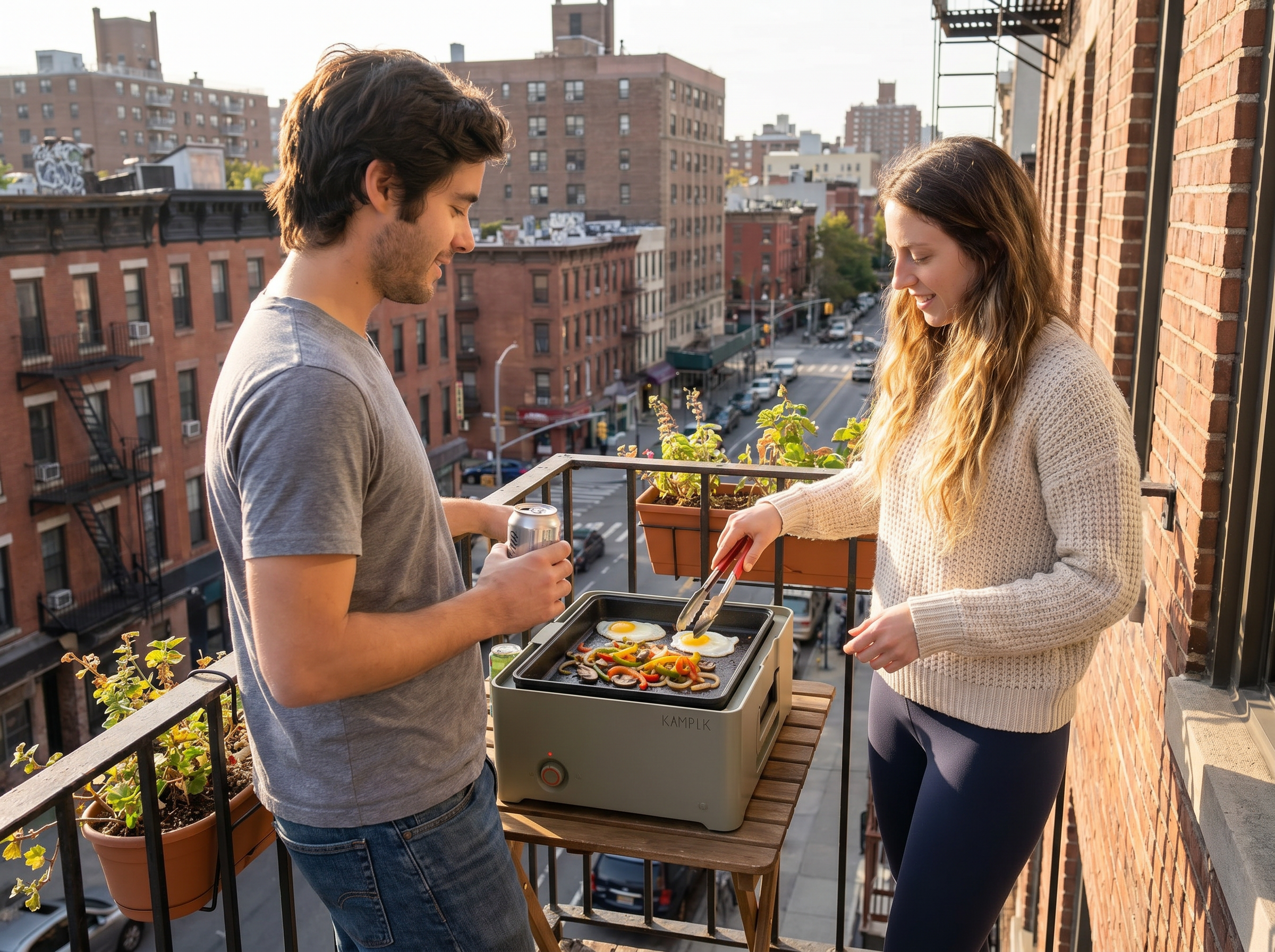
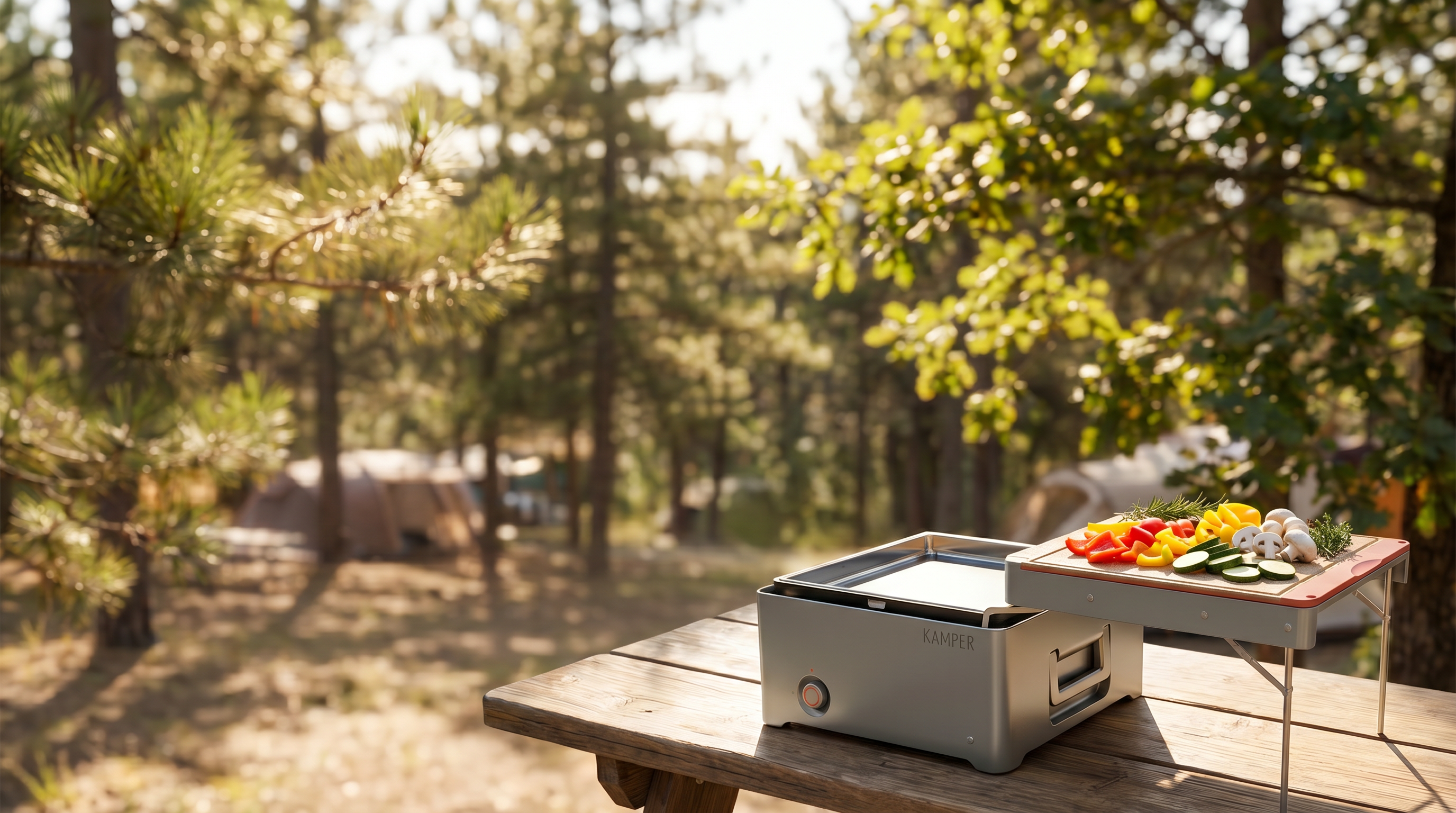
Phase 1: validate before Kickstarter.
This isn't a Kickstarter launch yet. Phase 1 is putting Kamper in front of people, in the settings it was built for, to see if the idea still gets traction. The waitlist is the test. If the story, the positioning, and the appetite are there, Kickstarter comes next. If not, I learn it now, before spending on manufacturing and a full campaign.
Wireframing how to tell the story.
I wireframed the whole story before styling anything, focused on how someone moves through the page: what they see first, how each section earns the next scroll, where the waitlist should land. Structure the story, then design the experience around it. Below is where it started.
How every image gets made
Every image on this site runs through one pipeline. A Google Sheet holds the brief, one row per shot with the scene, the reference image, and the prompt, so it doubles as the queue and the tracker. n8n watches that sheet, sends each row to Luma AI's Uni-1 API, drops the finished photo or video into Google Drive, and pings me when it's done. The real work is the prompting loop: I seed Uni-1 with a real Kamper reference, generate, see what comes back, adjust, and run it again until the result matches the product.
Read the build logOld photos in. Photo-realistic stories out.
I started with what I already had: the product detail photos I shot ten years ago, fed into Uni-1 as reference. Real data in means the AI stays anchored to the actual product, so every lifestyle scene and video it generates is consistent with what I designed, not a generic camp kitchen but Kamper.
Generated with Luma Uni-1. Create with Luma AI
The physical process
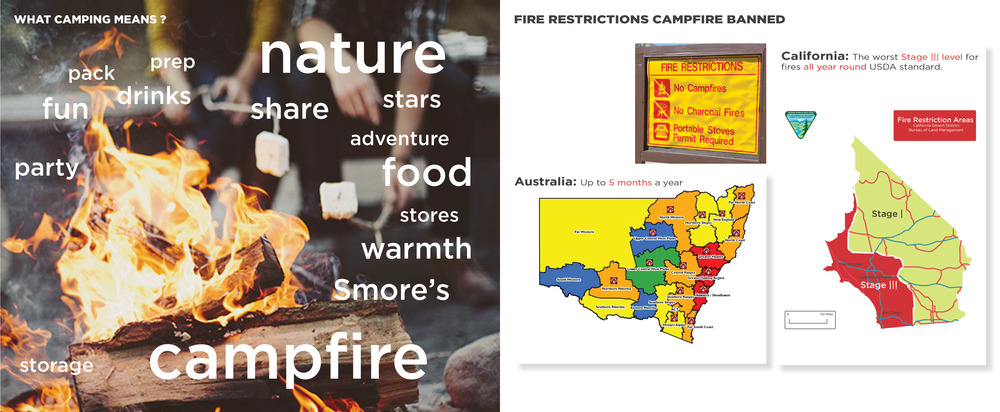
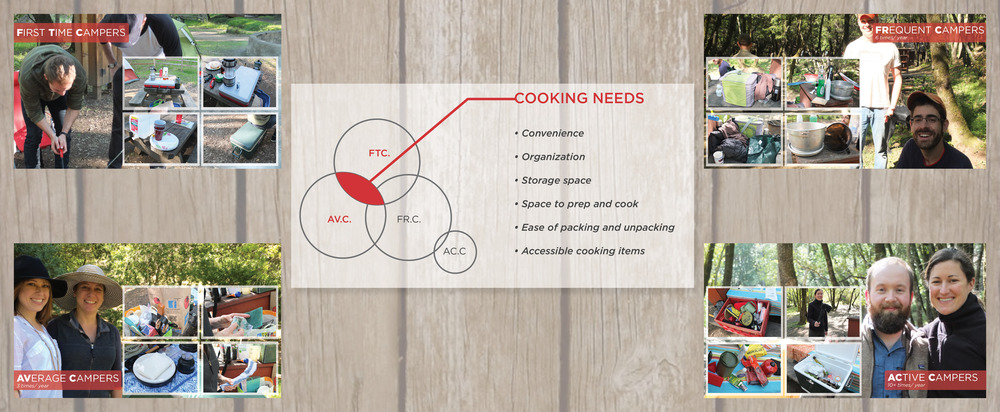
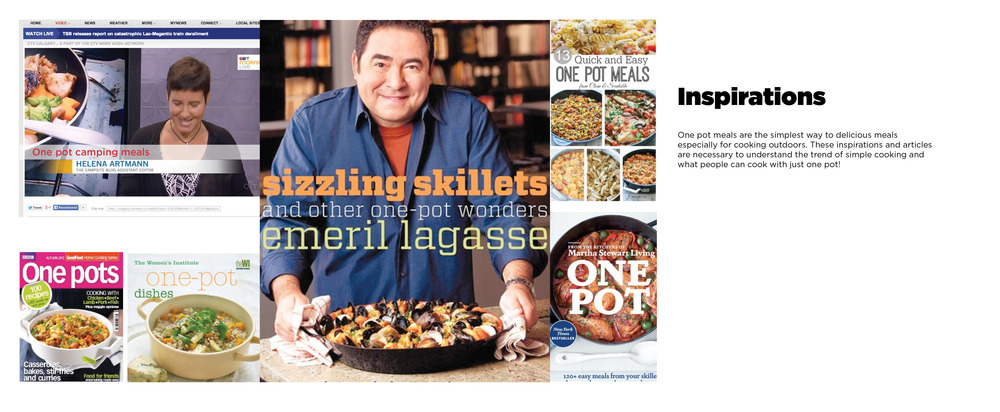
From campsite research to factory-ready parts — how Kamper moved from question to something you could build.
Research
Inspiration
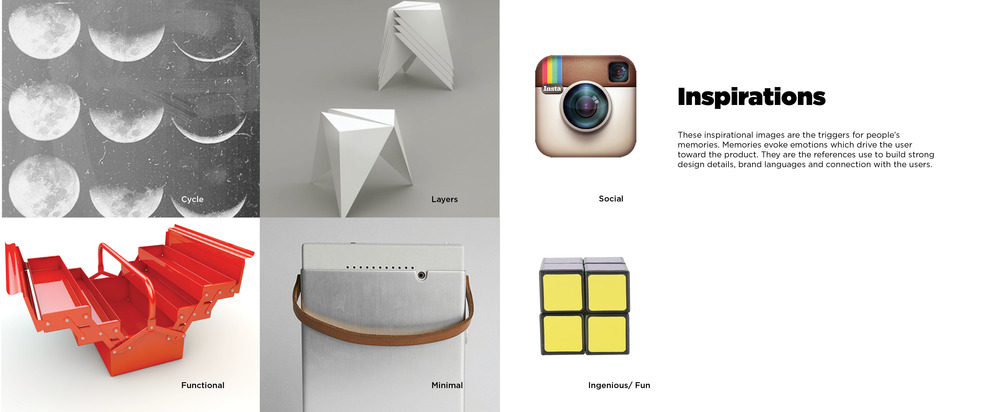
Ideation
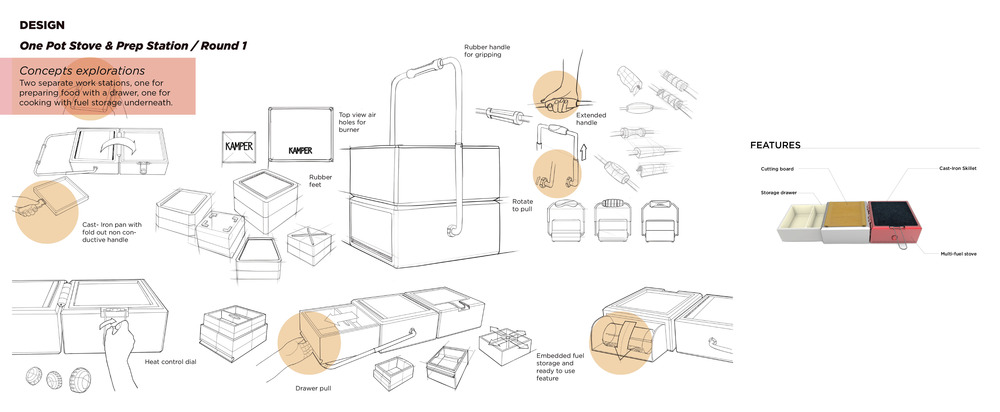
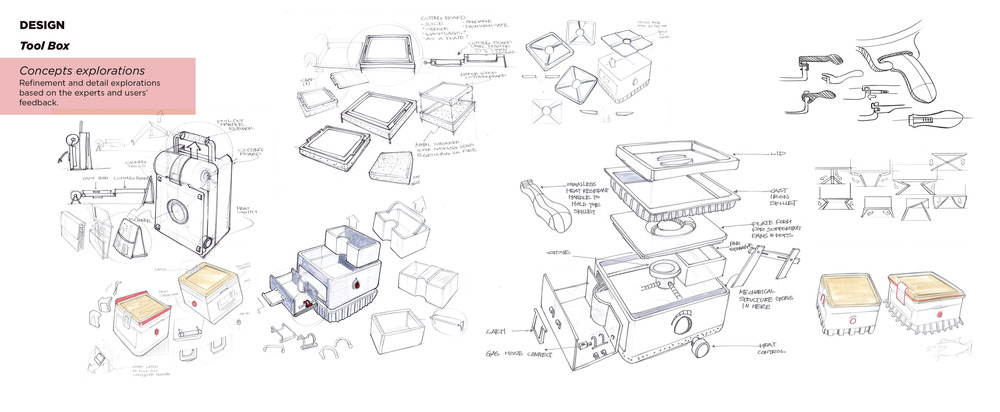
Prototype
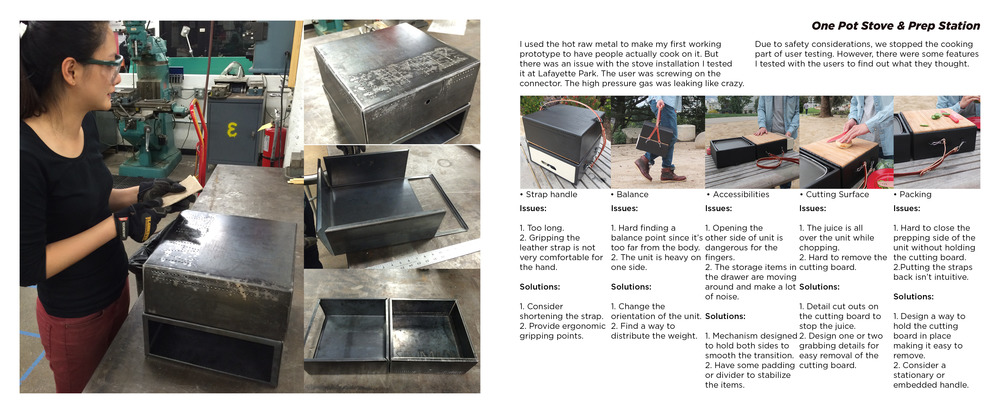
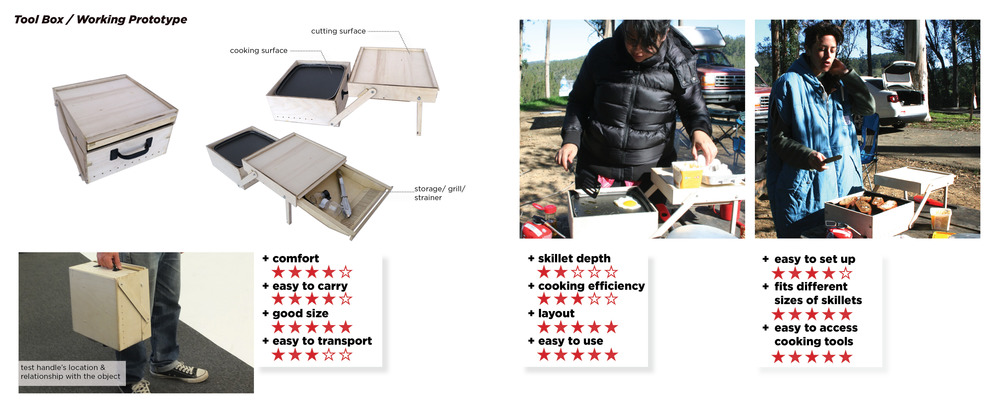
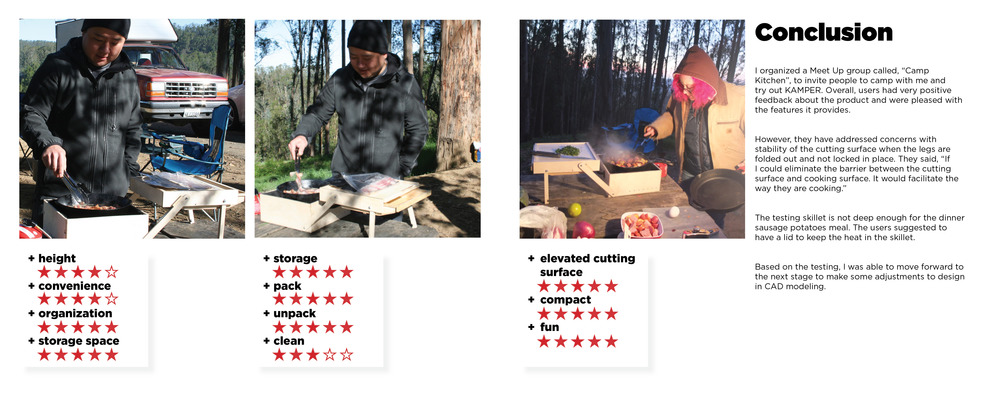
Use case
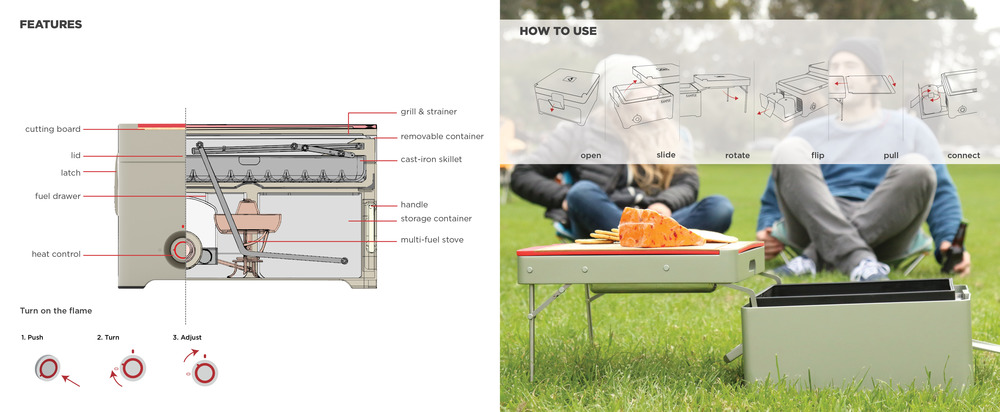
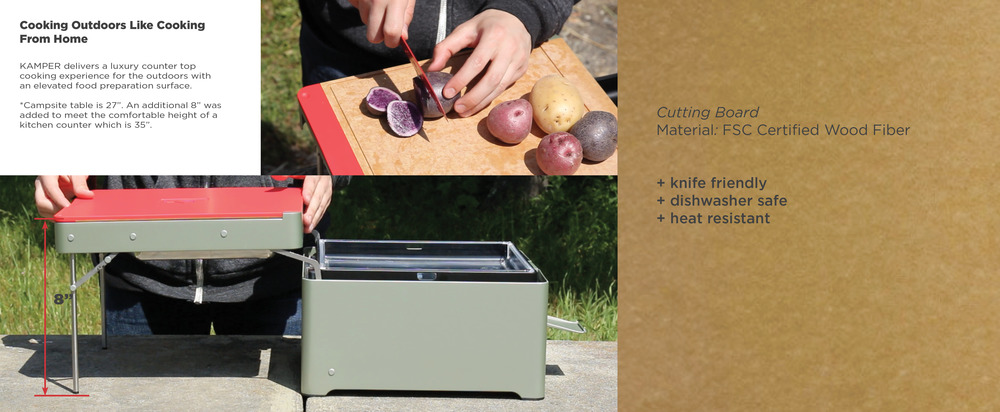
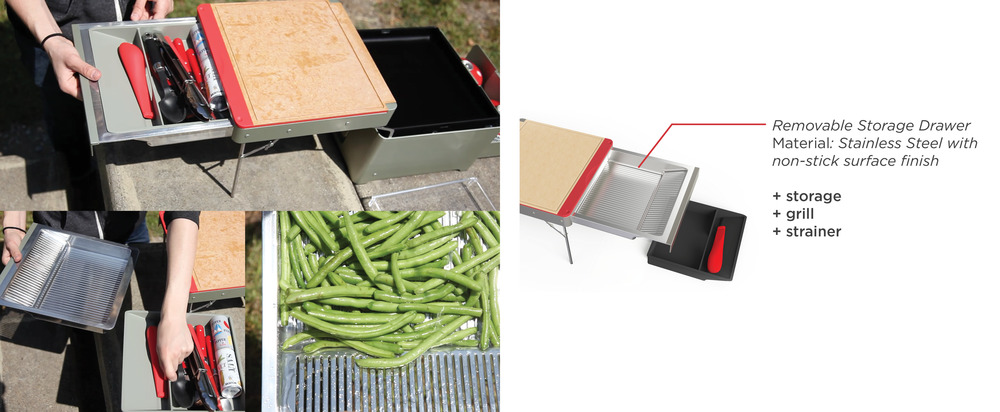
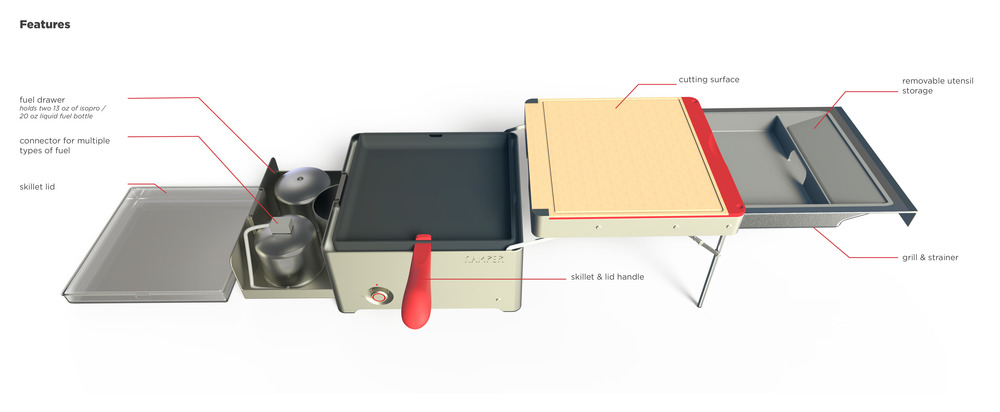
Details and fabrication parts in China
What's next
Phase 1 is live: the waitlist, the story, the site. A few people have already reached out about partnering, which is a good early signal. The next phase is turning attention into proof, more reach, more voices, and a clearer read on whether Kickstarter makes sense.
Promote across channels
Put Kamper where products get discovered: Product Hunt, outdoor communities, maker and gear forums. One story, more front doors.
Reach the right people
Go past broad reach to voices that carry weight: outdoor gear reviewers, crowdfunding experts, campaign builders. Targeted outreach where the story fits.
Revalidate the thesis
Ten years on, test whether the problem still bites and the modularity story still lands with today's campers and cooks.
Let the waitlist decide
Sign-ups are the go or no-go for Kickstarter. Early interest from partners, press, and retailers like REI hints at investment or a license.